
CULTURAL & HISTORICAL ATTRACTIONS
ROMAN HERITAGE
House of Agrippina
Explore an archaeological site beside Pula’s Roman Forum, revealing layers of ancient city life and remarkable Roman marble finds.
Location
Attraction Type
Entry
Best For
Visit Duration
Why Visit House of Agrippina
✓ Explore around 3,000 years of Pula’s urban history
✓ Discover Roman archaeology beside the ancient Forum
✓ Learn about the mysterious portrait traditionally linked with Agrippina
✓ See traces of elaborate Roman marble decoration
✓ Discover evidence of Roman imperial representation
✓ Visit a lesser-known archaeological site for free
About House of Agrippina
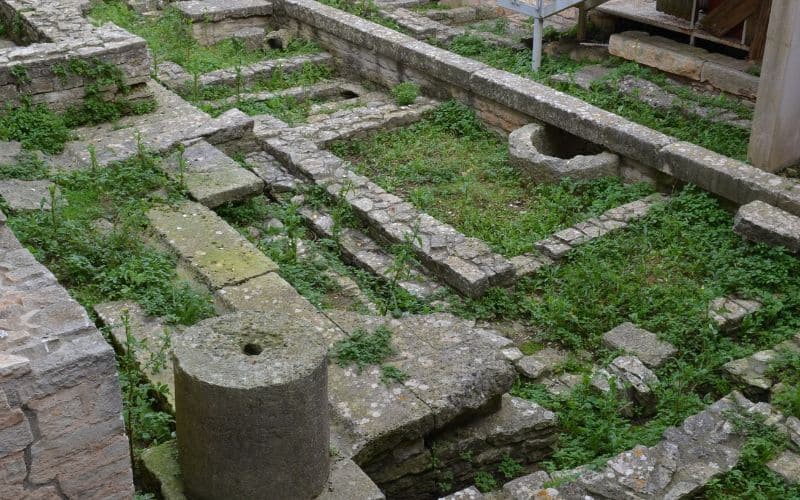
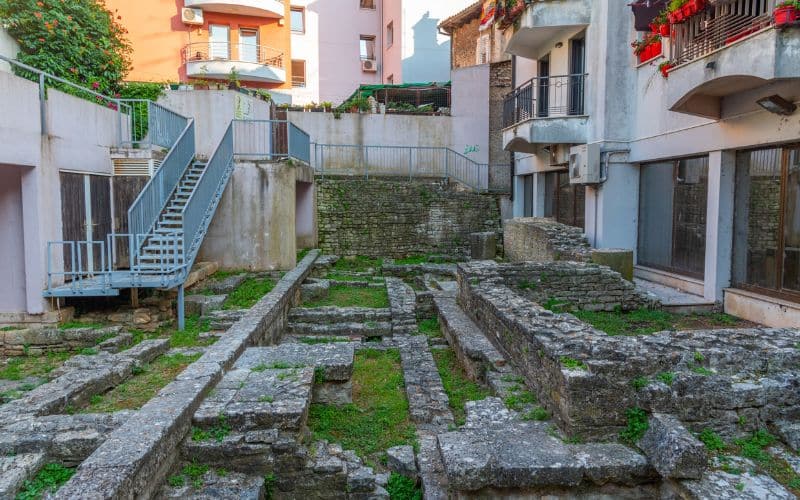
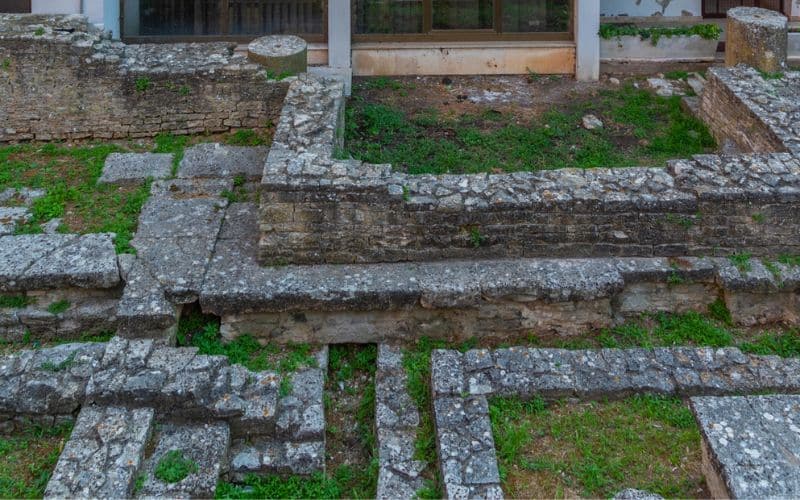
House of Agrippina is the informal name of an archaeological area at the southeastern corner of the Forum of Roman Pola. Rather than a confirmed private residence of Agrippina the Younger, the site preserves remains associated with a public Roman building and a much longer sequence of urban activity in the centre of Pula.
The wider archaeological area covers approximately 550 square metres and has revealed evidence spanning around 3,000 years of the city’s history. Finds include material from Venetic culture dating to the 6th century BCE and imported Hellenistic and Etruscan pottery from the 3rd century BCE, followed by substantial evidence from Roman Pula.
The site received its modern name after archaeological excavations in 1988 uncovered a marble female head with a hairstyle characteristic of the mid-1st century CE and similar to that worn by Agrippina the Younger, wife of Emperor Claudius and mother of Nero. However, the Archaeological Museum of Istria notes that the portrait’s facial features do not match Agrippina, so its identity should not be considered certain.
The quality, size and location of the portrait suggest that it may have formed part of a group representing members or contemporaries of the Julio-Claudian dynasty in the context of the imperial cult. Together with other marble sculpture and architectural remains discovered here, it offers an intriguing glimpse into the public and ceremonial life of Roman Pola.
Explore House of Agrippina
The archaeological remains reveal part of a Roman building positioned between the Forum and one of the main streets of ancient Pola. The building opened towards the Forum through a portico on its western side and towards the decumanus through another portico to the east.
One of its most notable rooms had a floor paved with polychrome marble tiles arranged in a geometric pattern. The lower walls were faced with white marble panels and mouldings, while a rectangular pedestal stood against the rear wall and may once have supported a statue.
Excavations also uncovered parts of a larger-than-life marble statue of an armoured military commander. Made from Pentelic marble and originally around 220 to 230 centimetres tall, the figure may have represented an emperor or another member of the imperial family. Current archaeological opinion dates it to the 2nd century CE.
For visitors, the interest lies in reading the layers of Pula beneath the modern city and seeing how an important part of Roman public life developed immediately beside the ancient Forum.
Attraction Details
- Archaeological site beside the southeastern corner of Pula’s Roman Forum
- Wider archaeological area covers approximately 550 square metres
- Evidence reflects around 3,000 years of urban history
- Marble female portrait discovered during excavations in 1988
- Portrait hairstyle dates to the mid-1st century CE
- Roman room featured geometric polychrome marble flooring
- Walls included white marble panels and mouldings
- Larger-than-life armoured marble statue was also discovered
- Roman building stood between the Forum and a main decumanus
- Admission to the archaeological site is free
VisitPula Our Take
House of Agrippina is particularly worthwhile for visitors interested in archaeology and Roman Pula beyond its best-known monuments. Its location beside the Forum makes it easy to combine with several important historic sights in the city centre.
The site is best approached as a compact archaeological stop rather than a conventional museum. Its real appeal is the story behind the remains: layers of Pula’s development, a richly decorated Roman public building and two remarkable marble discoveries associated with the world of Roman imperial representation.
Allow enough time to examine the remains and archaeological context without planning a long standalone visit. Visitors with reduced mobility or walking difficulties should note that the Archaeological Museum of Istria currently lists the site as inaccessible.
Photos of House of Agrippina


Nearby Places
Explore more Roman monuments, historic landmarks and city-centre sights near House of Agrippina.
Location & Contact
Address:
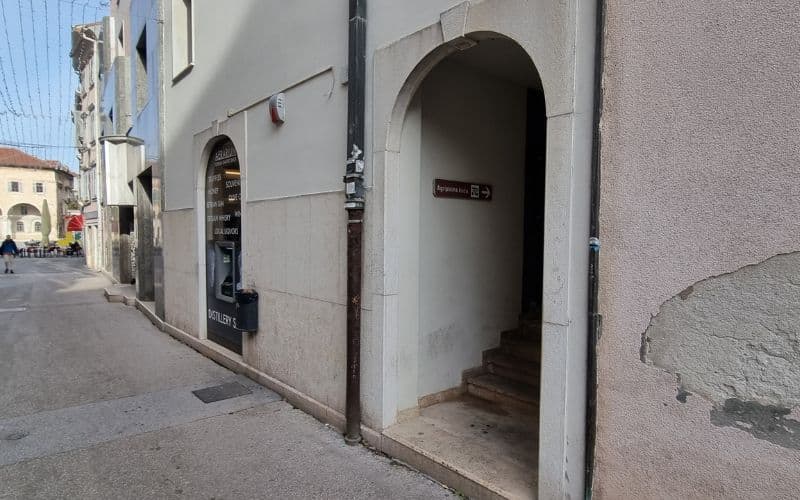
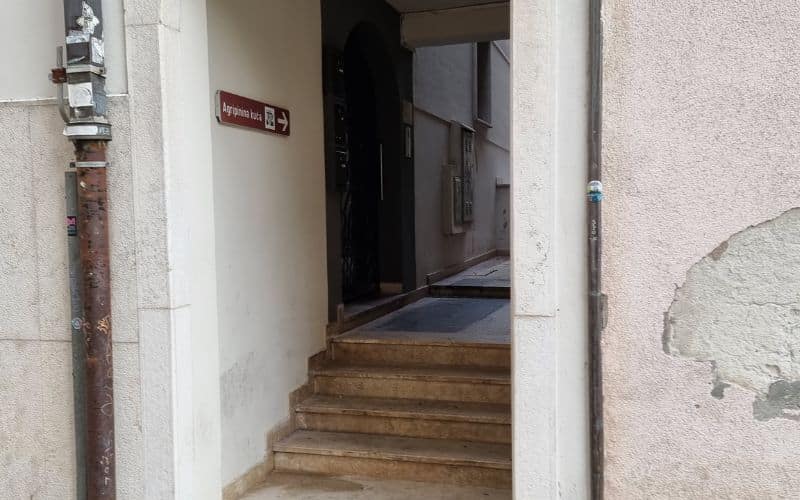
Ul. Sergijevaca 3, 52100 Pula
Location:
Southeastern corner of the Roman Forum
Phone:
+385 (0)52 351 300
Email:
info@ami-pula.hr
Official Website:
ami-pula.hr
Access & Admission
Admission:
Free
Season & Availability
Season:
Open to visitors year-round
Prior notice of a visit is not required. Check the official Archaeological Museum of Istria information before visiting for any temporary access changes.
Map Location
Before You Go
- Admission to the site is free.
- No advance notice is required.
- Look closely at the archaeological layers.
- Combine your visit with the Forum.
- Read the portrait identification cautiously.
- Check current access before visiting.
- Accessibility is limited at this site.
Frequently Asked Questions About House of Agrippina
- Is House of Agrippina in Pula worth visiting?
- Yes, especially if you are interested in Roman archaeology and want to explore a lesser-known historic site beside Pula’s ancient Forum.
- Is House of Agrippina free to visit?
- Yes. Admission to House of Agrippina is free of charge, according to the Archaeological Museum of Istria.
- What can you see at House of Agrippina?
- You can see archaeological remains of a Roman public building whose excavated features included geometric polychrome marble flooring, marble wall decoration and evidence associated with important Roman sculptures.
- Was House of Agrippina really the home of Agrippina the Younger?
- No evidence confirms that it was Agrippina the Younger’s home. House of Agrippina is an informal name linked to a marble female portrait discovered here in 1988, and the Archaeological Museum of Istria states that its facial features do not match Agrippina.
- Where is House of Agrippina in Pula?
- House of Agrippina is at Ul. Sergijevaca 3, beside the southeastern corner of Pula’s ancient Roman Forum in the city centre.


