
Pula Archaeological Sites: Journey Back in Time
Unearth the Echoes of Ancient Civilizations
Exploring Pula’s Archaeological Treasures
Pula, perched on the Istrian Peninsula, is a city where history is etched into every corner. Its archaeological sites, a blend of Roman grandeur and layers of later civilizations, tell a fascinating story of the region’s past. Whether you’re an avid history enthusiast or a casual explorer, Pula’s ancient landmarks offer an immersive journey into the world of centuries gone by.
The Pula Arena, one of the best-preserved Roman amphitheaters in the world, is a highlight not to be missed. Built in the 1st century AD, it once hosted gladiatorial games and public spectacles. Today, it remains a hub of culture, hosting concerts and events within its iconic stone walls. Nearby, the Temple of Augustus stands as a symbol of Roman elegance, with its impressive columns and intricate carvings—a must-visit in the bustling Forum square.
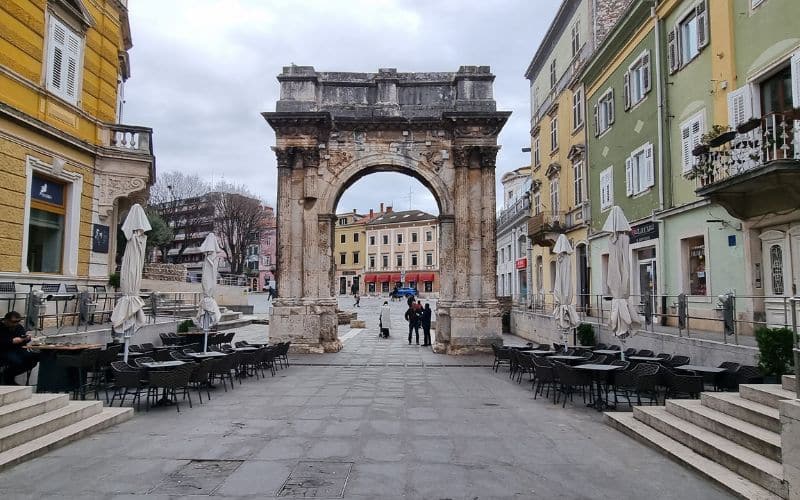
For a deeper dive into Pula’s ancient history, the Arch of the Sergii and the Twin Gates offer insight into the city’s Roman fortifications. Hidden beneath the streets, Zerostrasse, a network of World War I-era tunnels, adds an intriguing layer of modern history to your visit.
Venturing further, Pula’s Austro-Hungarian forts and the Byzantine Chapel of St. Mary Formosa showcase the city’s diverse architectural and cultural heritage. These sites provide a unique contrast to the Roman ruins, highlighting Pula’s role as a crossroads of civilizations.
Comfortable shoes and early visits are key to making the most of Pula’s archaeological treasures. For a richer experience, guided tours can provide fascinating insights into the city’s history. Whether you’re marveling at the Pula Arena or wandering through ancient streets, Pula promises an unforgettable connection to the past.
Step into Pula’s archaeological wonderland and let its timeless stories inspire your imagination.




Why Pula’s Ancient Ruins Are More Than Just Remnants of the Past
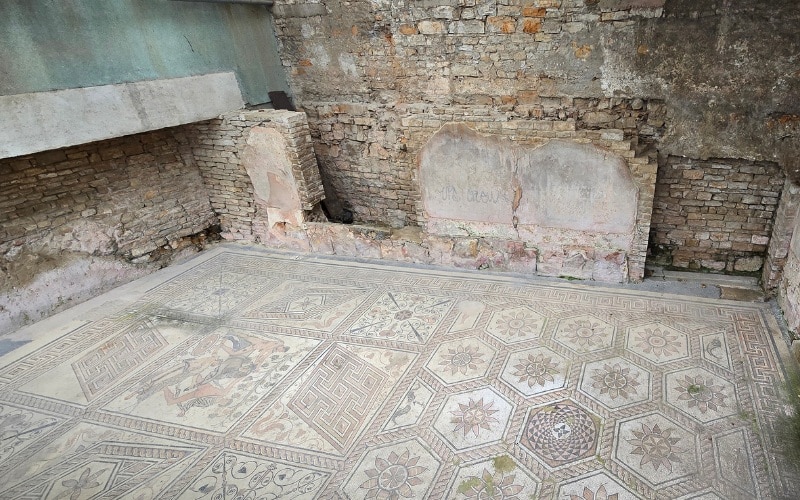
In Pula, the ruins are not merely stones—they are storytellers. Each archaeological site serves as a chapter in the grand narrative of human civilization. From Roman amphitheaters echoing with the roars of ancient crowds to serene Byzantine basilicas, Pula’s landmarks are a testament to the cultural and historical crossroads that once flourished here. Visiting these sites isn’t just about sightseeing; it’s about stepping into the footprints of history.
Pula’s Must-See Archaeological Marvels
The Pula Arena, one of the world’s best-preserved Roman amphitheaters, stands as the city’s crowning jewel. Constructed in the 1st century AD, this iconic structure hosted gladiatorial games and grand events. Today, it continues to draw crowds as a venue for concerts and festivals, blending ancient history with modern-day culture.
Just a short stroll away, the Temple of Augustus graces the Forum, Pula’s historic main square. Dedicated to the first Roman Emperor, this temple exemplifies the artistry and devotion of its time, with intricate details that have survived centuries of change.
The Gate of Hercules, Pula’s oldest Roman archway, carries an inscription that dates back to the city’s ancient past. It’s a doorway not just to the city, but to a bygone era of Roman engineering and civic pride.
Nearby, the Arch of the Sergii stands as a triumphal arch commemorating a prominent Roman family’s military victories. Its detailed carvings and inscriptions offer a glimpse into Pula’s prestigious role in the Roman Empire.
Tips for Exploring Pula’s Archaeological Treasures
- Opt for Guided Tours: Local guides bring Pula’s ruins to life with fascinating stories and insights, transforming stone walls into vivid tales of the past.
- Start Early: Beat the crowds and the summer heat by beginning your journey in the morning. This is the best time to enjoy a quieter and more intimate exploration of Pula’s landmarks.
- Dress for Comfort: Wear sturdy, comfortable footwear, as many of Pula’s archaeological sites involve uneven surfaces and plenty of walking.
- Respect the Spaces: Some areas, particularly sacred or sensitive sites, have rules against photography. Observe these guidelines to preserve their sanctity.
Pula’s Ruins: A Living Legacy
Walking through Pula’s archaeological sites is an immersive experience where history comes alive. As you stand in the shadow of the Pula Arena or pass beneath the Gate of Hercules, you’re not just observing relics of the past—you’re connecting with the stories of emperors, gladiators, and ancient communities.
These ruins go beyond their historical significance; they evoke a sense of wonder and timelessness that leaves a lasting impression. Whether you’re marveling at the grandeur of Roman architecture or discovering the subtle details of inscriptions and carvings, Pula’s ruins invite you to uncover the layers of a city shaped by centuries of human endeavor.
So, step into the heart of Pula’s storied past. Let the echoes of history guide your journey and leave with memories that are as timeless as the city itself. Pula awaits, ready to share its ancient tales with you. 🌍🏛️✨


