
Cultural & Historical Attractions in Pula
Discover Pula’s Roman heritage, historic landmarks, Austro-Hungarian fortresses, sacred sites, museums and cultural places that shaped the city through centuries.
Explore Pula’s Cultural and Historical Heritage
Use this page as a starting point. If you are visiting Pula for the first time, begin with the top attractions. If you want a deeper look into the city’s past, continue with landmarks, archaeological sites, museums, churches and unique historical places.
Explore Cultural and Historical Attractions by Type
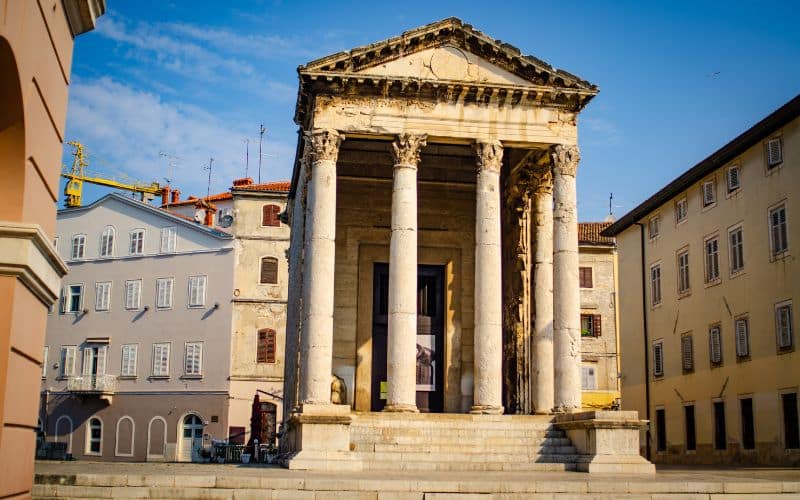
Top Pula Attractions
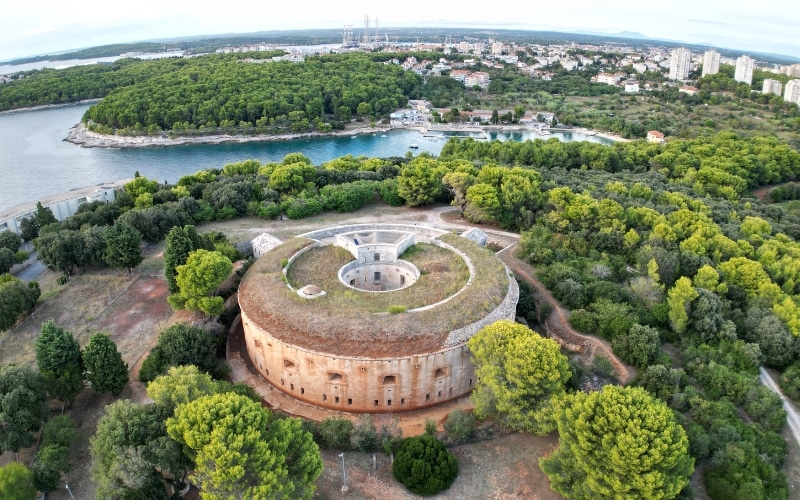
Sights and Landmarks
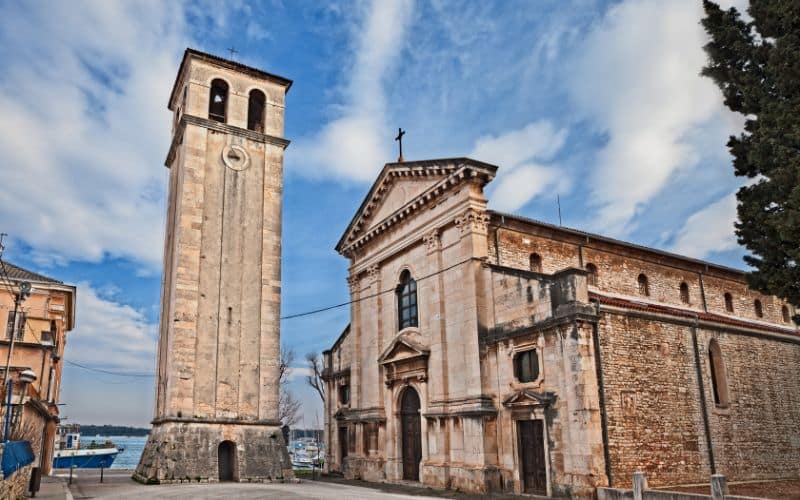
Sacred and Religious Sites
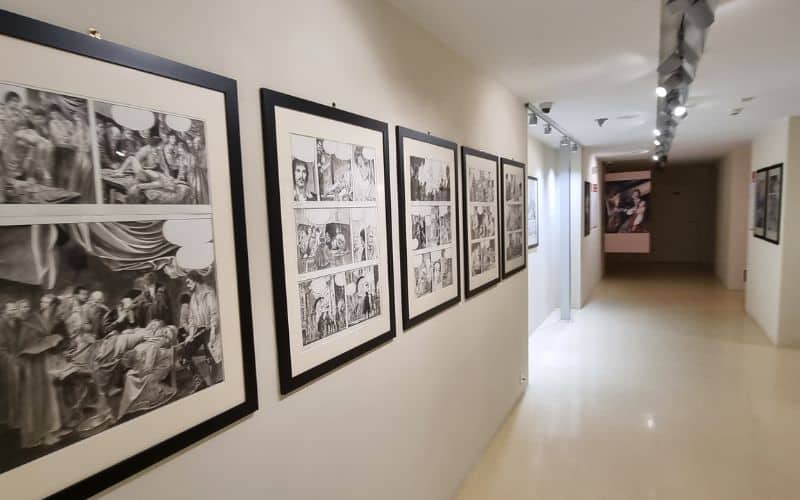
Museums & Galleries
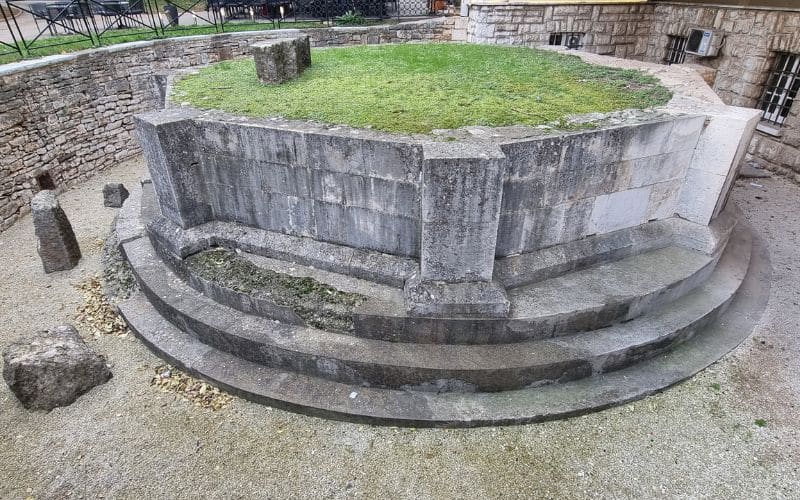
Archaeological Sites

Unique Attractions in Pula
Highlights of Pula’s Heritage




Roman Heritage in Pula
Pula’s Roman heritage is one of the most important parts of the city’s identity. Long before it became a modern coastal destination, Pula was an important Roman settlement known as Pietas Julia. Its position on the Adriatic made it strategically valuable, and many traces of that period can still be seen today in the old town.
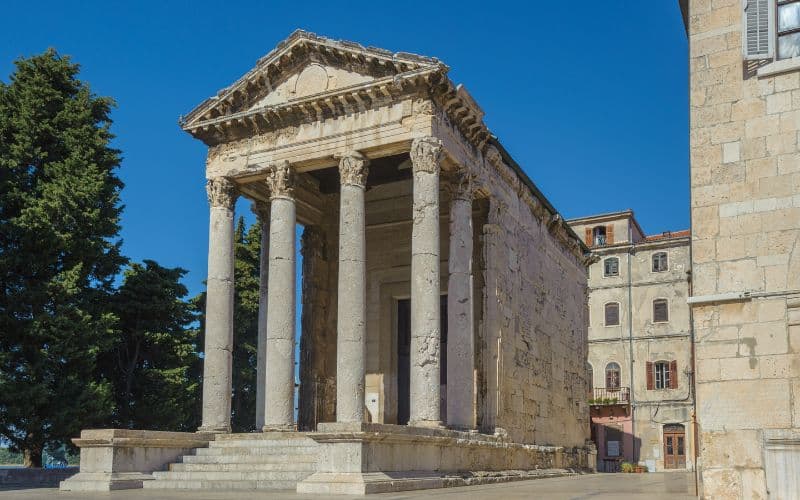
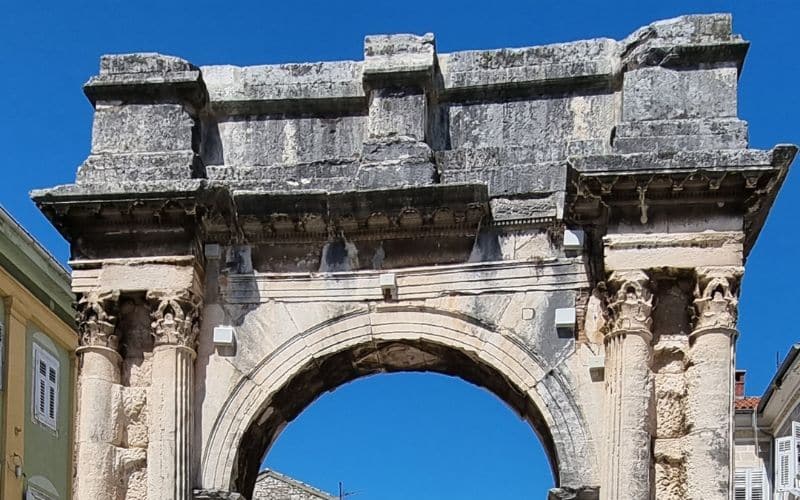
The most famous reminder of Roman Pula is the Arena, one of the best-preserved Roman amphitheatres in the world. But the city’s ancient story is not limited to the amphitheatre alone. The Temple of Augustus, Arch of the Sergii, Twin Gate, Small Roman Theatre, ancient mosaics and archaeological remains all help show how deeply Roman history shaped the streets, squares and cultural landscape of Pula.
For visitors, this makes Pula especially rewarding to explore on foot. Roman monuments are not isolated in one museum-like zone; they are part of the everyday city. You can walk from the Arena toward the old town, pass through historic gates, reach the Forum and still feel how the ancient layout continues to define the centre of Pula today.
Fortresses and Military Heritage in Pula
Pula’s history did not end with the Roman period. In the 19th century, the city became one of the most important naval centres of the Austro-Hungarian Empire. Because of its protected harbour and strategic position on the Adriatic, Pula was transformed into a major military port surrounded by fortresses, batteries and defensive structures.
Many of these fortifications can still be found around the city and its coastline today. Places such as Fortress Kaštel, Fort Bourguignon, Punta Christo Fortress and several lesser-known batteries and bunkers reveal a different side of Pula’s history — one shaped by military planning, naval power and coastal defence.
Some of these sites are restored or used for cultural events, while others remain abandoned, atmospheric and hidden in the landscape. Together, they make Pula one of the most interesting places in Istria for visitors who want to explore Austro-Hungarian heritage, historic architecture and offbeat military landmarks.
Museums, Galleries and Cultural Spaces in Pula
Pula’s cultural heritage is not limited to ancient monuments and historic landmarks. The city also has museums, galleries and cultural spaces that help visitors understand its history, art, maritime importance and local identity in a more detailed way.
From archaeological collections and maritime history to contemporary art galleries and smaller cultural venues, these places show different layers of Pula beyond the main sights. They are especially useful if you want to slow down, learn more about the city, or explore cultural attractions on a rainy day.
Museums and galleries also connect Pula’s past with its present. They preserve important parts of the city’s story while also giving space to local artists, exhibitions and creative events throughout the year.
Sacred Heritage and Religious Sites in Pula
Sacred sites are an important part of Pula’s cultural and historical identity. Churches, chapels and religious buildings around the city reflect different periods of local history, from early Christian heritage and medieval architecture to later additions shaped by the city’s maritime and urban development.
Some of Pula’s most important sacred places are located in and around the old town, including the Cathedral and the Church and Monastery of St. Francis. Others are found in quieter neighbourhoods, where they tell smaller but still meaningful stories about local communities, traditions and everyday life.
For visitors, these sites offer a calmer way to explore Pula’s past. They are not only places of worship, but also historic landmarks connected to architecture, art, local memory and the long cultural continuity of the city.
How to Plan Your Cultural Visit in Pula
If you are visiting Pula for the first time, start with the city’s most iconic historic places: the Arena, the Arch of the Sergii, the Forum, the Temple of Augustus, Pula Cathedral and Fortress Kaštel. These sights give you a strong overview of the city’s Roman, medieval and Venetian-influenced heritage.
If you want to explore more deeply, continue with museums, galleries, archaeological sites, churches and Austro-Hungarian fortresses. Many of these places reveal quieter parts of Pula’s history and are ideal for visitors who enjoy walking, photography, architecture and local stories.
For rainy days or slower travel days, choose indoor cultural places such as museums, galleries, Zerostrasse and sacred heritage sites. For outdoor exploring, follow the old town streets, visit viewpoints and discover fortresses and landmarks around the city.
FAQ: Cultural and Historical Attractions in Pula
- What are the most important cultural and historical attractions in Pula?
- The most important cultural and historical attractions in Pula are the Arena, Temple of Augustus, Arch of the Sergii, Pula Cathedral, Fortress Kaštel, Zerostrasse, the Small Roman Theatre and the city’s museums and galleries. These places show the main layers of Pula’s history, from Roman monuments to Austro-Hungarian military heritage and local cultural spaces.
- What Roman monuments can you see in Pula?
- The main Roman monuments in Pula include the Arena, Temple of Augustus, Arch of the Sergii, Twin Gate, Small Roman Theatre, Roman mosaics and several archaeological remains in and around the old town. Many of them are close to each other, so they can be visited during a walk through the historic centre.
- Is Pula good for history lovers?
- Yes. Pula is one of the best places in Croatia for history lovers because it combines Roman heritage, medieval and Venetian-influenced landmarks, Austro-Hungarian fortresses, museums, churches and preserved old town streets in a compact city area.
- Can you visit Pula’s historical attractions on foot?
- Yes. Many of Pula’s main historical attractions can be visited on foot, especially the Arena, Arch of the Sergii, Forum, Temple of Augustus, Pula Cathedral, Twin Gate and old town landmarks. Some fortresses, bunkers and coastal heritage sites are outside the centre and may require a longer walk, bike ride or transport.
- What is the most famous historical attraction in Pula?
- The most famous historical attraction in Pula is the Arena, the city’s Roman amphitheatre. It is one of the best-known Roman monuments in Croatia and remains the strongest symbol of Pula’s ancient heritage.
- Where is the best place to start exploring historic Pula?
- The best place to start exploring historic Pula is the Arena. From there, you can walk toward the old town, continue to the Arch of the Sergii, visit the Forum and Temple of Augustus, then continue toward Pula Cathedral and Fortress Kaštel.
- What cultural attractions in Pula are good for rainy days?
- Good cultural attractions in Pula for rainy days include museums, galleries, Zerostrasse, sacred heritage sites and indoor cultural spaces. These are useful choices when you want to explore Pula’s history and culture without depending on beach or outdoor weather.
- Are there museums and galleries in Pula?
- Yes. Pula has museums and galleries covering archaeology, maritime history, contemporary art, sacred heritage, local memory and cultural exhibitions. They are a good way to understand the city beyond its most famous monuments.
- What is the difference between Pula’s cultural attractions and natural attractions?
- Cultural and historical attractions in Pula are places shaped mainly by history, architecture, archaeology, religion, art or local heritage. Natural attractions are focused on landscapes, coast, islands, viewpoints, parks and outdoor scenery. Some places can feel connected to both, but they should be explored through different visitor intents.
- How much time do you need for Pula’s cultural and historical attractions?
- For the main cultural and historical attractions in central Pula, half a day is enough for a quick visit. A full day is better if you want to enter the Arena, visit museums, walk through the old town and include Fortress Kaštel or Zerostrasse. History lovers can easily spend two days exploring Roman sites, fortresses, museums and sacred heritage.


