
First Time in Pula
Your complete travel guide to visiting Pula for the first timeFrom must-see attractions and beaches to where to stay, how long to visit and common mistakes to avoid, this guide covers everything first-time visitors need to know before arriving in Pula, Croatia.
Pula at a Glance
Best time to visit
May to September for beaches and outdoor sightseeing
Ideal length of stay
2–4 days for the city, beaches and nearby trips
City type
Historic coastal city with Roman heritage
Getting around
Walkable centre, buses for beaches, car optional
Good for
First-time visitors, couples, families and culture lovers
Day trip base
Brijuni Islands, Rovinj, coastal Istria
Why Visit Pula?
- One of the best-preserved Roman monuments in Europe
- Beaches located within the city and nearby peninsulas
- Compact centre that is easy to explore on foot
- Lively but not overly polished or artificial
- Excellent base for discovering Istria

What Makes Pula Special?
Roman Heritage
Pula is home to one of the best-preserved Roman amphitheatres in the world, along with temples, gates and ancient streets that are part of everyday city life.
City and Beaches Together
A Real, Lived-In City
Pula is not just a tourist showcase. Locals live, work and relax here year-round, which gives the city an authentic atmosphere rather than a staged holiday feel.
Perfect Base for Istria
Must-See Attractions for First-Time Visitors

Pula Arena
The iconic Roman amphitheatre and the symbol of Pula. A must-visit landmark that defines the city’s history and identity.

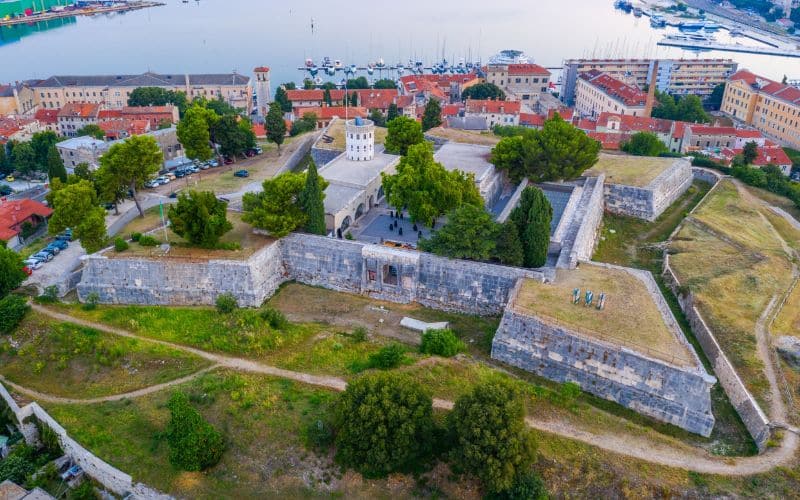
Kaštel Fortress

Arch of the Sergii
How Many Days Do You Need in Pula?
1 Day in Pula
2–3 Days in Pula
4–5 Days in Pula
Start Planning Your Visit
If this is your first time in Pula, these guides will help you plan the most important parts of your trip.
Top Attractions in Pula
Discover the must-see sights, historic landmarks and cultural highlights you shouldn’t miss on your first visit.

Best Beaches in Pula
Find the best city beaches, family-friendly spots and wild coves around Pula.

Where to Eat in Pula
Learn what to expect from local cuisine and find the best places to eat during your stay.

Where to Stay in Pula
Choose the best area to stay based on your travel style, budget and length of visit.
Best Time to Visit Pula
Spring
(April–May)
Spring is ideal for sightseeing and walking around the city. Temperatures are pleasant, crowds are smaller and attractions are easier to explore without summer heat.
Summer
(June–September)
Summer is the peak season in Pula. This is the best time for beaches, swimming and outdoor events, but also the busiest and warmest period.
Autumn
(October)
Early autumn offers a quieter atmosphere while the weather often remains mild. It is a good choice for relaxed travel and enjoying the city without crowds.
Winter
(November–March)
Winter is the off-season in Pula. While some attractions have limited hours, the city feels local and calm, making it suitable for visitors who prefer a slower pace.
Where to Stay in Pula
Old Town
Best for first-time visitors who want to stay close to major attractions, restaurants and historic landmarks.
Great location for sightseeing, but limited parking and fewer beaches nearby.
Verudela Peninsula
Ideal for beach lovers, families and visitors looking for resort-style accommodation near the sea.
Easy access to beaches, but requires bus or car to reach the city centre.
Stoja & Valsaline
A good choice for travellers who want a quieter stay close to nature while still being near the city.
Less touristy and close to beaches, but fewer dining options nearby.
Residential Areas
Suitable for longer stays, repeat visitors or those arriving by car and looking for more space.
More affordable and local feel, but not ideal without a car.
Getting Around Pula
Pula is a compact city and easy to navigate, even for first-time visitors. Most major sights are close to each other, while beaches and outer neighbourhoods are well connected.
Walking
The old town and main attractions are best explored on foot. Walking is the easiest way to experience the historic centre and nearby areas.
Public Buses
Local buses connect the city centre with beaches, residential areas and nearby neighbourhoods. They are affordable and suitable for most visitors.
Car
A car is not necessary for exploring the city itself, but it is useful if you plan day trips outside Pula or want to visit more remote beaches.
Taxi and Ride Services
Taxis and ride services are widely available and convenient for short distances, especially in the evening or when returning from beaches.
Beaches in Pula: What First-Time Visitors Should Know
Pula is known for its clear sea and rugged coastline rather than long sandy beaches. Understanding what to expect helps first-time visitors choose the right spots and enjoy the experience more.
Rocky and Pebble Beaches
Most beaches in and around Pula are rocky or pebbled, which keeps the water exceptionally clear. Water shoes are useful, especially for children.
Facilities and Beach Bars
Many city beaches offer showers, cafés and beach bars, while more natural areas remain undeveloped and quiet.
Family-Friendly Options
Several beaches are suitable for families, with easy access to the sea, calmer water and nearby amenities.
Wild and Natural Spots
Pula also has wild beaches and hidden coves for visitors who prefer a more natural setting and don’t mind uneven terrain.
Food and Restaurants in Pula: What to Expect
Pula offers a mix of traditional Istrian cuisine, casual local eateries and modern restaurants. Knowing what to expect helps first-time visitors choose where and when to eat.
Local Istrian Cuisine
Istrian food focuses on fresh ingredients, olive oil, seafood, pasta dishes and grilled meat. Traditional flavours are simple and seasonal rather than heavy or overly complex.
Where Locals Eat
Many good restaurants are located slightly outside the main tourist streets. These places often offer better value, generous portions and a more relaxed atmosphere.
Prices and Budget
Prices in Pula are moderate compared to other Adriatic destinations. Expect higher prices near major attractions and better value in neighbourhood restaurants.
Reservations in Summer
During July and August, reservations are recommended for dinner, especially at popular restaurants. Outside peak season, booking is usually not necessary.
Is Pula Right for You?
Pula is a great choice if you:
- Enjoy history, culture and Roman landmarks
- Like having beaches close to the city
- Prefer authentic places over polished resort towns
- Want a walkable city with optional day trips
- Are visiting Istria for the first time
Pula may not be ideal if you:
- Are looking only for sandy beaches
- Prefer small, picture-perfect old towns
- Want a purely luxury or resort-style destination
- Expect nightlife to be the main focus of your trip
First Time in Pula: Frequently Asked Questions
- Is Pula a good destination for first-time visitors?
- Yes. Pula is easy to navigate, offers a mix of history, beaches and local life, and works well for visitors who want to explore without complicated planning.
- Do I need a car when visiting Pula?
- No car is needed for exploring the city centre and nearby beaches. A car is only useful if you plan day trips outside Pula or want more flexibility.
- Is Pula walkable?
- Yes. The old town and main attractions are compact and best explored on foot. Public buses cover longer distances within the city.
- Is Pula expensive?
- Pula is moderately priced compared to other Adriatic destinations. Dining and accommodation offer good value, especially outside the main tourist streets.
- Is Pula suitable for families with children?
- Yes. Pula is family-friendly, with safe beaches, outdoor attractions and a relaxed atmosphere suitable for travelling with children.